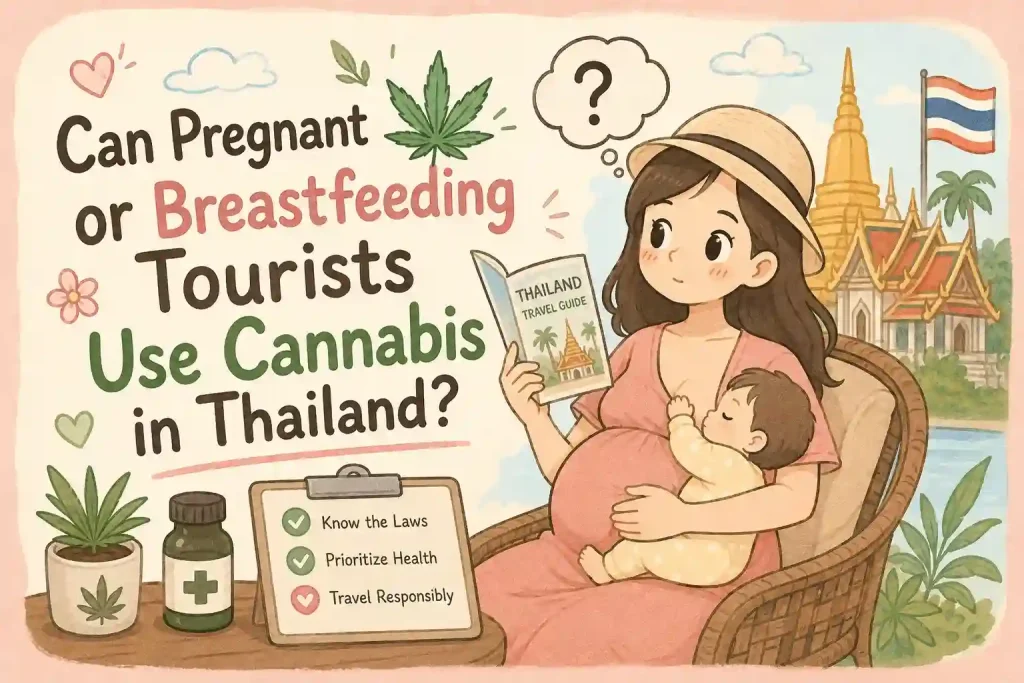
Thailand’s Cannabis Menu Just Got a Lot Shorter
Thailand’s cannabis landscape transformed fundamentally in June 2025. As of that date, cannabis moved from corner shop convenience to hospital pharmacy protocol—prescription required, period, with no recreational loopholes for tourists. The government revoked the previous semi-legal gray area that allowed dispensaries to operate like coffee shops, reclassifying cannabis as a controlled herb under strict medical supervision available only through licensed hospitals and clinics.
The 30g monthly limit means even legitimate patients cannot treat it like a souvenir bulk-buy. Thai law now treats cannabis as a controlled medication rather than a wellness product or party favor. Pharmacies track every gram dispensed through national databases, preventing stockpiling or diversion to recreational users. Tourists cannot circumvent these restrictions by claiming ignorance of local regulations or by presenting foreign medical marijuana cards, which Thai authorities do not recognize as valid prescriptions.
Tourists face identical scrutiny to locals at checkpoints throughout the country. Your boarding pass does not unlock special access to non-medical cannabis, and immigration status offers no protection against possession charges. Police conduct random inspections at transportation hubs, tourist areas, and highway checkpoints, treating violations with the same severity regardless of passport origin. Understanding these enforcement realities prevents costly misunderstandings that could derail your vacation or complicate your prenatal care schedule while abroad.
Your Baby’s Brain Is Not a Beta Tester
THC crosses the placental barrier and enters breast milk like a skilled Bangkok motorbike taxi—fast, direct, and unwelcome in such delicate territory. Medical research consistently demonstrates that cannabinoids penetrate biological barriers protecting fetal and infant development, accumulating in fatty tissues including the rapidly developing brain and central nervous system of the fetus or nursing infant.
Medical data suggests fetal THC exposure disrupts neural development similar to editing code while the program is still running. The developing brain lacks the error-checking mechanisms to handle such disruption, potentially altering synaptic formation and receptor development during critical windows of gestation. These neurodevelopmental changes may manifest later as cognitive delays, attention deficits, or behavioral regulation difficulties that persist into childhood and adolescence, long after the initial exposure occurred.
THC lingers in breast milk for hours after maternal use, turning your midnight relaxation into baby’s unintended edible with unknown neurological impacts. Unlike alcohol, which metabolizes predictably within hours, cannabinoids bind to fat cells and release gradually over days. This pharmacokinetic profile makes it impossible to time breastfeeding sessions safely after consumption, exposing infants to compounds their immature neurological systems cannot efficiently process, metabolize, or eliminate without potential lasting consequences.
When in Doubt, Call the Doctor, Not the Dealer
Consult a Thai obstetrician or your home physician before touching any cannabis product; self-medicating here resembles performing surgery with a butter knife—technically possible, but catastrophically unwise. Pregnancy fundamentally alters drug metabolism, liver enzyme activity, and placental transfer dynamics in ways that make previously benign substances potentially harmful. What relieved nausea or anxiety pre-conception may now compromise fetal blood flow, trigger uterine irritability, or alter hormone balances in ways that endanger both mother and developing child.
If seeking relief for hyperemesis gravidarum or other pregnancy complications, Thai doctors follow strict protocols prioritizing fetal safety over maternal convenience. They may suggest evidence-based alternatives like vitamin B6 supplementation, prescribed antiemetics with established safety profiles, or intravenous hydration protocols rather than experimental cannabis therapies. These physicians understand local drug interactions, available alternatives that align with international prenatal care standards, and the specific documentation required should medical cannabis become absolutely necessary for severe, treatment-resistant conditions.
Without a valid Thai prescription, possession puts you in legal jeopardy involving potential fines up to 25,000THB or detention that no travel insurance will cover. Legal complications in a foreign country while pregnant create logistical nightmares involving embassy intervention, medical clearance delays, and potential flight restrictions during third-trimester complications. The financial penalties, potential incarceration, and medical risks far outweigh any perceived benefits of unsupervised cannabis use during gestation or lactation.
FAQ
Is it legal for pregnant tourists to use medical cannabis in Thailand with a prescription?
Yes, but with significant caveats. Since June 2025, Thailand requires a Thai-registered physician to prescribe cannabis for specific medical conditions, and pregnancy itself does not constitute an automatic qualifying condition. You would need documentation of a condition like severe hyperemesis gravidarum where standard treatments have failed, plus the standard 30g monthly limit applies regardless of pregnancy status.
What are the risks of using CBD oil while breastfeeding in Thailand?
Medical authorities advise against all cannabis-derived products during lactation, including CBD oil marketed as non-psychoactive. CBD and trace THC can transfer through breast milk, and because the industry lacks consistent dosing standards, you cannot guarantee purity or concentration. Think of it like drinking an unlabeled alcoholic beverage—you do not know the strength, and your baby definitely did not order it.
Can I get arrested for possessing cannabis without a prescription if I am pregnant?
Absolutely. Pregnancy does not grant legal immunity. Without a valid Thai medical prescription, possession of cannabis remains illegal and can result in fines up to 25,000THB, up to three months imprisonment, or both under the Public Health Act. Additionally, legal complications in a foreign country while pregnant create logistical nightmares that no one wants to navigate from a detention cell.