Why Thai Legal Status Expires at the Border
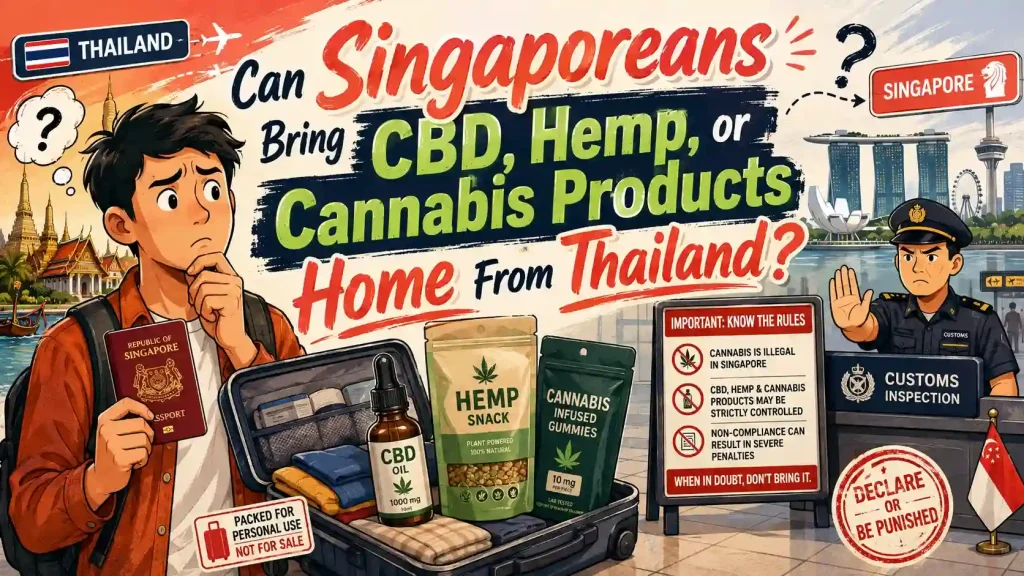
Thai legal status expires at the border because Singapore law operates independently of foreign permissions, treating your Bangkok purchase history with the same legal weight as a library card from another continent. Jurisdiction isn’t contagious: legal in Bangkok doesn’t mean legal in Bedok. Singapore’s Controlled Acts don’t recognize foreign cannabis permissions like diplomatic immunity, and your Thai receipt holds no authority at Singapore Customs checkpoints. The legal concept of territorial sovereignty means each nation maintains absolute authority over substance classification within its borders, and no bilateral agreement exists between Thailand and Singapore regarding cannabis reciprocity.
Prescriptions carry GPS coordinates that stop working at territorial boundaries. A Thai doctor’s note authorizes possession exclusively within Thai territory, much like a driver’s license issued in one country doesn’t grant permission to speed in another. Singapore’s Health Sciences Authority (HSA) and Central Narcotics Bureau (CNB) do not honor foreign medical cannabis documentation as import authorization, regardless of the prescribing physician’s credentials or the patient’s documented medical history. Medical cannabis programs operate as domestic health policies, not international travel documents.
Marketing terms provide zero legal protection against chemical classification. Calling a product “industrial hemp,” “wellness extract,” or “low-THC” doesn’t alter its molecular structure under Singapore law. Customs laboratories test for specific cannabinoid profiles, not brand names or packaging descriptions. A bottle labeled “CBD isolate” undergoes the same legal scrutiny as raw cannabis flower if detected in your luggage, and field testing kits provide preliminary identification that courts accept as evidence regardless of the product’s retail branding.
Product Categories and Singapore’s Legal Definitions
Singapore classifies all cannabis-derived products as controlled substances under the Misuse of Drugs Act, applying identical enforcement standards regardless of marketing terminology or THC content claimed on the label. Cannabis flower and resin trigger “trafficking” charges at shockingly low thresholds—15g of resin activates capital punishment territory. Singaporean courts don’t distinguish between “personal stash” and “drug mule” based on tourist intent or vacation narratives. The law applies uniform standards to anyone crossing the border with controlled substances, and “personal use” claims carry no mitigating weight until sentencing phases, if at all.
CBD oils, edibles, and isolates face classification as cannabis derivatives regardless of THC content or extraction method. Without a specific HSA import license—which is unavailable to tourists and requires months of pharmaceutical-grade documentation—these products receive treatment identical to raw cannabis. The absence of psychoactive properties provides no legal exemption under current statutes. Singapore’s drug classification system prioritizes chemical relationship to cannabis over pharmacological effect, meaning non-intoxicating compounds remain scheduled substances.
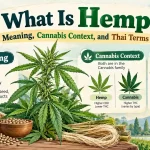
Hemp seeds and cosmetics enter permitted territory only with laboratory proof of THC content below 0.005% and proper HSA import documentation. Commercial Thai hemp products rarely carry this certification, as Thai regulatory standards differ significantly from Singaporean requirements. Tourist imports of these items remain functionally impossible without pre-approved permits that travelers cannot practically obtain during vacation timeframes. Most dispensary-bought products lack the chain-of-custody documentation required for legal importation.
The Penalty Structure (Why Your Vacation Budget Shouldn’t Include Bail)
Singapore imposes mandatory minimum sentences for drug importation that include lengthy imprisonment and corporal punishment, with no judicial discretion for first-time offenders or claims of ignorance. Importing controlled drugs carries penalties ranging from 5 to 20 years imprisonment plus 5 to 15 strokes of caning for amounts below the death penalty threshold. Singapore’s courts don’t offer “first offense” discounts or cultural understanding exemptions for tourists unfamiliar with local statutes. The Misuse of Drugs Act removes sentencing flexibility for trafficking offenses, requiring judges to impose statutory minimums regardless of defendant background.
Constructive possession rules eliminate “I forgot it was in my bag” defenses. If the substance occupies your luggage, you own the legal consequences under Singapore’s strict liability approach. Your suitcase functions as your personal jurisdiction—ignorance of its contents provides no protection against prosecution, and joint possession rules can implicate travel companions sharing luggage space. Airport security operates under the legal presumption that travelers maintain absolute control over their belongings, making accidental possession legally indistinguishable from intentional smuggling.
Capital punishment thresholds activate at quantities that surprise many travelers. Importing over 500g of cannabis or 15g of cannabis resin is punishable by the death penalty under current statutes, with no judicial discretion for “I bought it legally in Thailand” narratives or character references. These thresholds apply to total weight including packaging and carrier oils, not just active compounds. Two bottles of CBD tincture could easily exceed 15g of total product weight, crossing into capital offense territory without the traveler’s awareness of the measurement methodology.
FAQ
Can I bring CBD oil into Singapore if it contains 0% THC and was purchased legally in Thailand?
No. Singapore’s Misuse of Drugs Act classifies CBD as a controlled cannabinoid regardless of THC content, and personal import requires specific HSA licenses that tourists cannot obtain. The HSA regulates CBD as a medicinal product, making unlicensed possession equivalent to possession of a Class A controlled drug.
Does a Thai medical prescription allow me to import cannabis or CBD into Singapore?
No. Singapore does not recognize foreign medical cannabis prescriptions for import purposes. A Thai prescription has no legal validity at Singapore customs, and importing cannabis with or without documentation results in the same trafficking or possession charges.
Are hemp skincare products or hemp seeds allowed if I buy them in Thailand?
Only if they meet strict HSA criteria, including THC content below 0.005% and proper import documentation. Most commercial hemp products sold in Thailand lack the required laboratory certification, making personal import by tourists practically impossible and legally high-risk.